How Long Does Mold Remediation Take? What Homeowners Should Expect
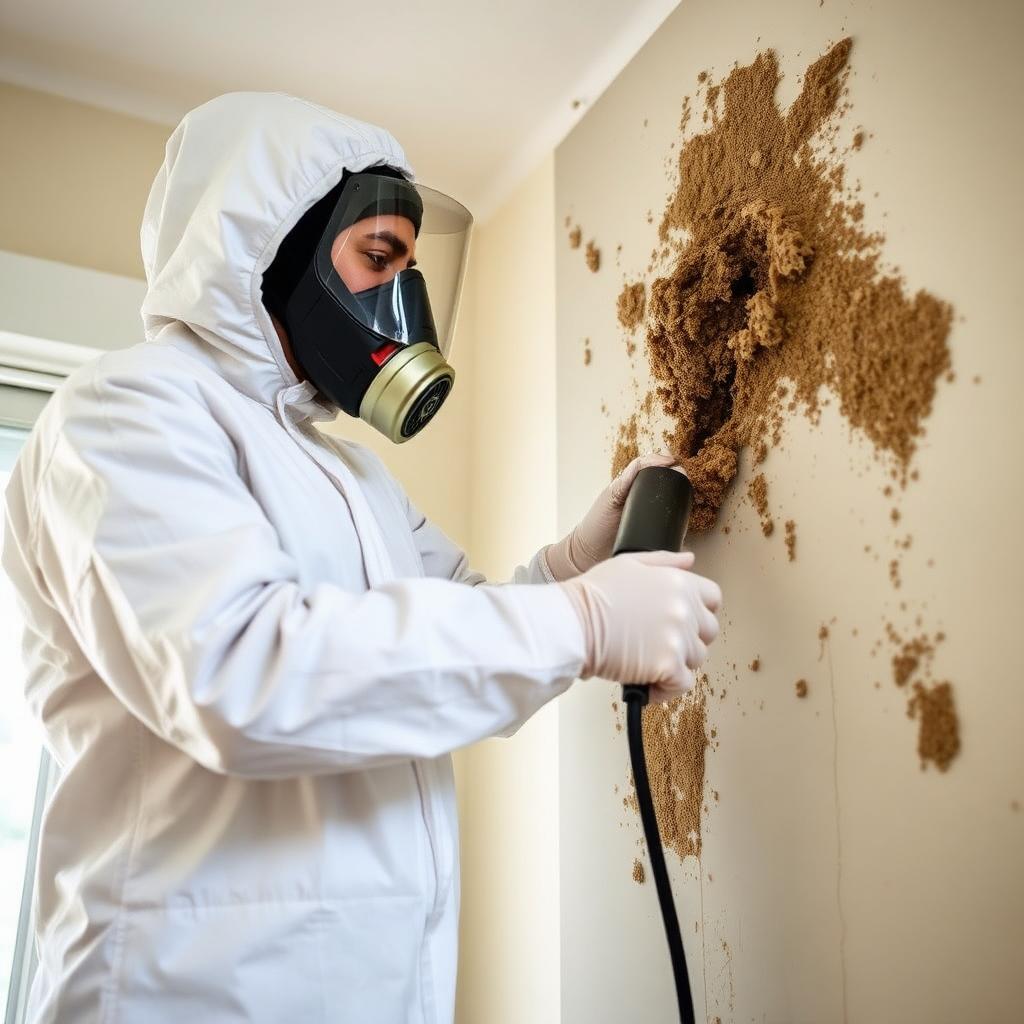
Finding mold in your home can be stressful, and one of the first questions many homeowners ask is, "How long will it take to remove it?" The answer depends on several factors, including the size of the affected area, the type of mold, the extent of the damage, and how quickly the problem is addressed.
While every situation is unique, understanding the mold remediation process can help you set realistic expectations and make informed decisions. Acting early is one of the best ways to reduce damage, lower repair costs, and restore a healthy indoor environment.
What Is Mold Remediation?
Mold remediation is more than simply cleaning visible mold. It is a comprehensive process that identifies the source of moisture, contains the affected area, safely removes contaminated materials when necessary, and restores the property while helping reduce the risk of future mold growth.
Professional remediation focuses on addressing the underlying cause rather than just treating the surface.
What Affects the Timeline?
No two mold situations are exactly alike. Several factors influence how long the remediation process will take.
Size of the Affected Area
Small areas of mold are generally faster to remediate than widespread contamination. A minor issue in a bathroom may take only a day or two, while extensive mold affecting multiple rooms can require several days or even weeks.
Location of the Mold
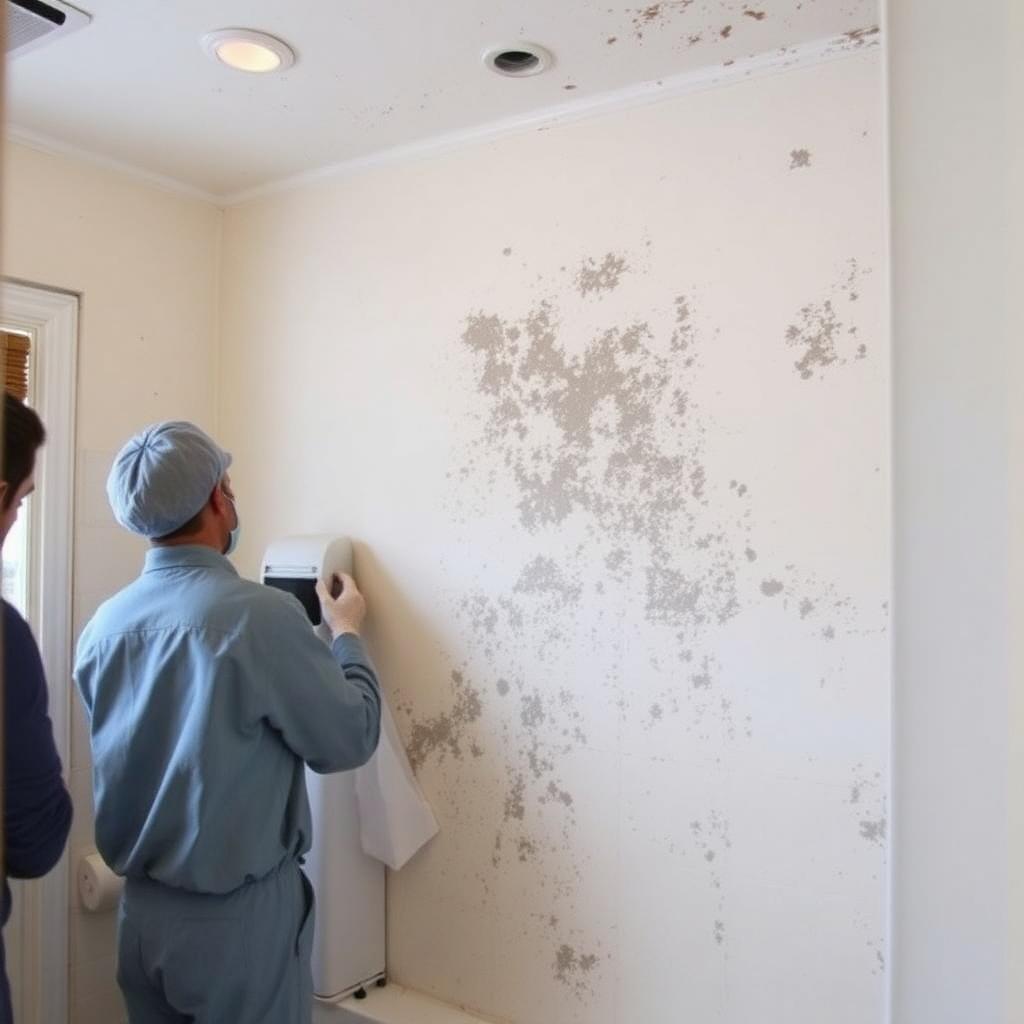
Visible mold on accessible surfaces is typically easier to address than mold hidden behind drywall, under flooring, inside ceilings, or within HVAC systems. Hidden mold often requires additional inspection and careful removal.
Moisture Source
Successful mold remediation begins with identifying and correcting the source of moisture. Leaking pipes, roof damage, plumbing issues, or flooding must be repaired before remediation is complete. If moisture problems continue, mold is likely to return.
Type of Materials Affected
Some materials can be cleaned and restored, while others may need to be removed and replaced. Drywall, insulation, carpeting, and ceiling tiles that have been heavily contaminated often require replacement to ensure the mold is fully eliminated.
Typical Mold Remediation Timeline
Although every project is different, most professional mold remediation follows a similar process.
Day 1: Inspection and Assessment
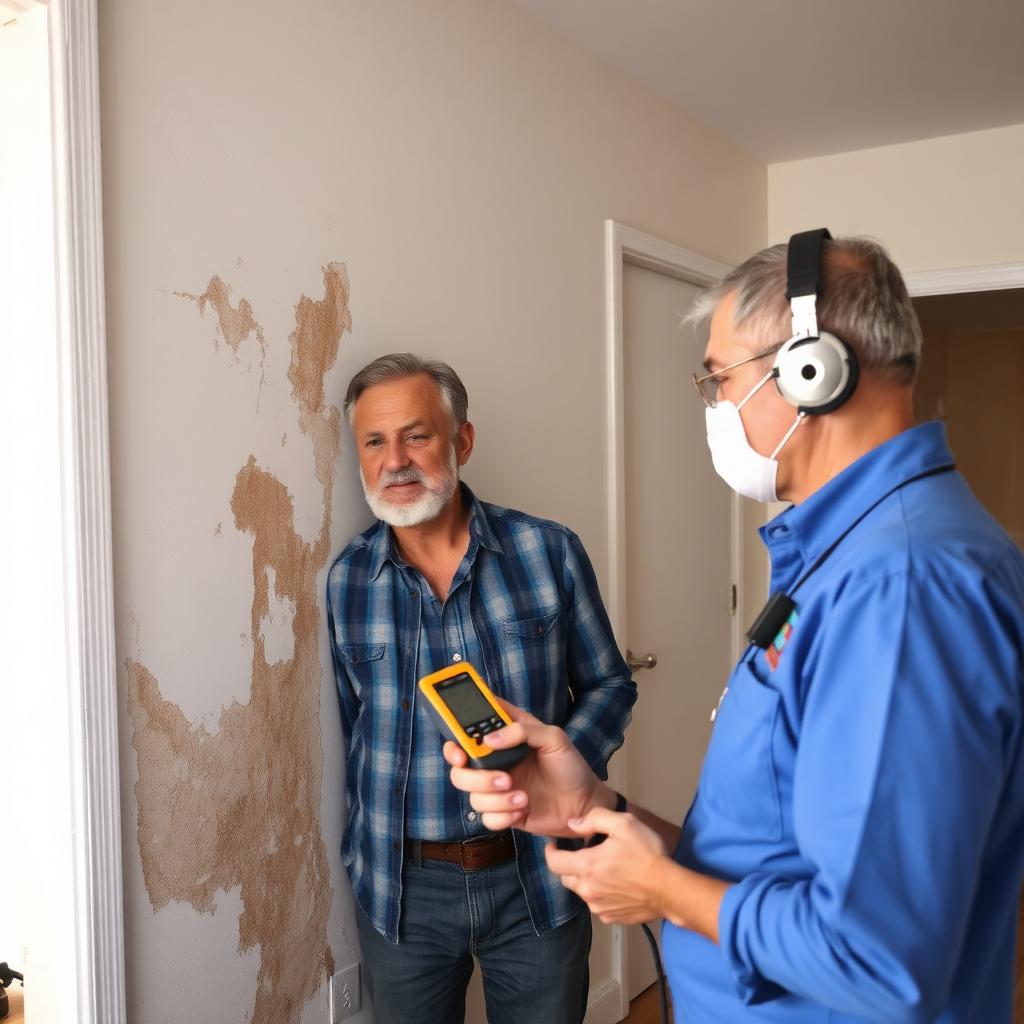
A certified technician performs a thorough inspection to identify visible and hidden mold, evaluate moisture levels, and determine the extent of the damage. In some cases, advanced tools or specialized detection methods may be used to locate mold that is not immediately visible.
Day 2: Containment
The affected area is isolated to help prevent mold spores from spreading to other parts of the property. Professionals may use containment barriers, negative air pressure systems, and air filtration equipment to protect unaffected areas.
Days 2–4: Mold Removal
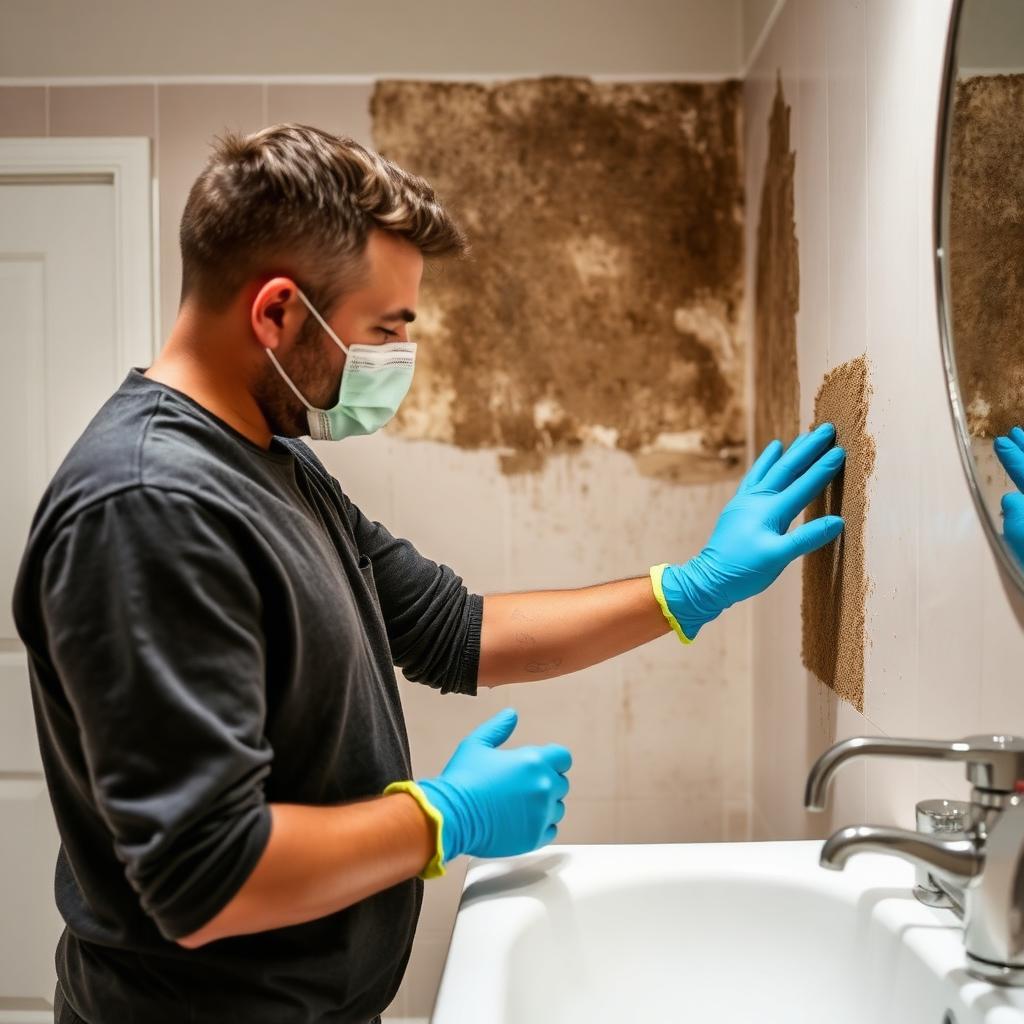
Depending on the severity of the contamination, technicians carefully remove mold from affected surfaces and safely dispose of materials that cannot be restored. Specialized cleaning techniques and antimicrobial treatments may be used where appropriate.
Days 3–5: Drying and Restoration
After mold removal, the affected area is thoroughly dried using commercial-grade dehumidifiers and air movers. Any necessary repairs or restoration work can then begin to return the property to its original condition.
Final Inspection
Before completing the project, professionals verify that the remediation has been successfully completed and confirm that moisture issues have been addressed. The goal is to leave your property clean, safe, and ready for normal use.
Can Mold Remediation Be Completed in One Day?
In some cases, yes. Small, isolated mold problems that are discovered early can often be addressed within a single day. However, larger projects involving hidden mold, structural damage, or significant moisture issues typically require additional time to ensure the job is completed properly. Rushing the process can increase the likelihood that mold will return.
Why Professional Mold Remediation Matters
Attempting to remove mold without addressing the underlying moisture source often provides only a temporary solution. Professional remediation helps identify the root cause, safely remove contamination, and reduce the risk of future growth.
Experienced technicians also use specialized equipment and safety procedures designed to protect both your property and indoor air quality throughout the remediation process.
How Homeowners Can Help Speed Up the Process
While the remediation itself should be handled by trained professionals, homeowners can help by reporting water leaks or flooding as soon as possible, avoiding disturbing visible mold before professionals arrive, keeping the affected area accessible for inspection, following any preparation instructions provided by the remediation team, and addressing plumbing or roof repairs promptly. Early action often results in a faster and less costly restoration.
Preventing Mold from Returning
Once remediation is complete, prevention becomes the next priority. Maintaining a dry indoor environment significantly reduces the risk of future mold growth. Helpful prevention tips include repairing leaks immediately, keeping indoor humidity below recommended levels, using exhaust fans in bathrooms and kitchens, ensuring proper ventilation throughout the home, inspecting areas prone to moisture regularly, and scheduling professional inspections if you notice persistent musty odors or signs of water damage.
Frequently Asked Questions
How long does mold remediation usually take?
Many residential projects can be completed within one to five days, depending on the extent of the mold and the repairs required.
Can I stay in my home during mold remediation?
This depends on the size and location of the affected area. Smaller projects may allow occupants to remain in unaffected areas, while larger remediation projects may require temporary relocation.
Does mold always come back?
Not if the underlying moisture issue has been corrected. Proper remediation focuses on eliminating both the mold and the conditions that allow it to grow.
Is mold remediation covered by insurance?
Coverage varies depending on your insurance policy and the cause of the mold. It's best to review your policy or speak with your insurance provider for specific details.
How can I tell if I need professional mold remediation?
If mold covers a large area, returns repeatedly, appears after water damage, or you notice persistent musty odors or health concerns, it's a good idea to schedule a professional inspection.
Protect Your Home with Professional Mold Remediation
Mold problems rarely improve on their own. Addressing them early can help minimize damage, protect your indoor environment, and reduce repair costs. Whether you've discovered visible mold or suspect hidden moisture issues, working with experienced professionals can provide peace of mind and a thorough solution.
If you believe your home may have a mold problem, contact MoldRestorationPros to schedule a professional mold remediation inspection. Our team is committed to identifying the source of the issue, providing effective remediation, and helping you restore a clean, healthy living environment.