What Happens If You Ignore Hidden Mold in Your Home?
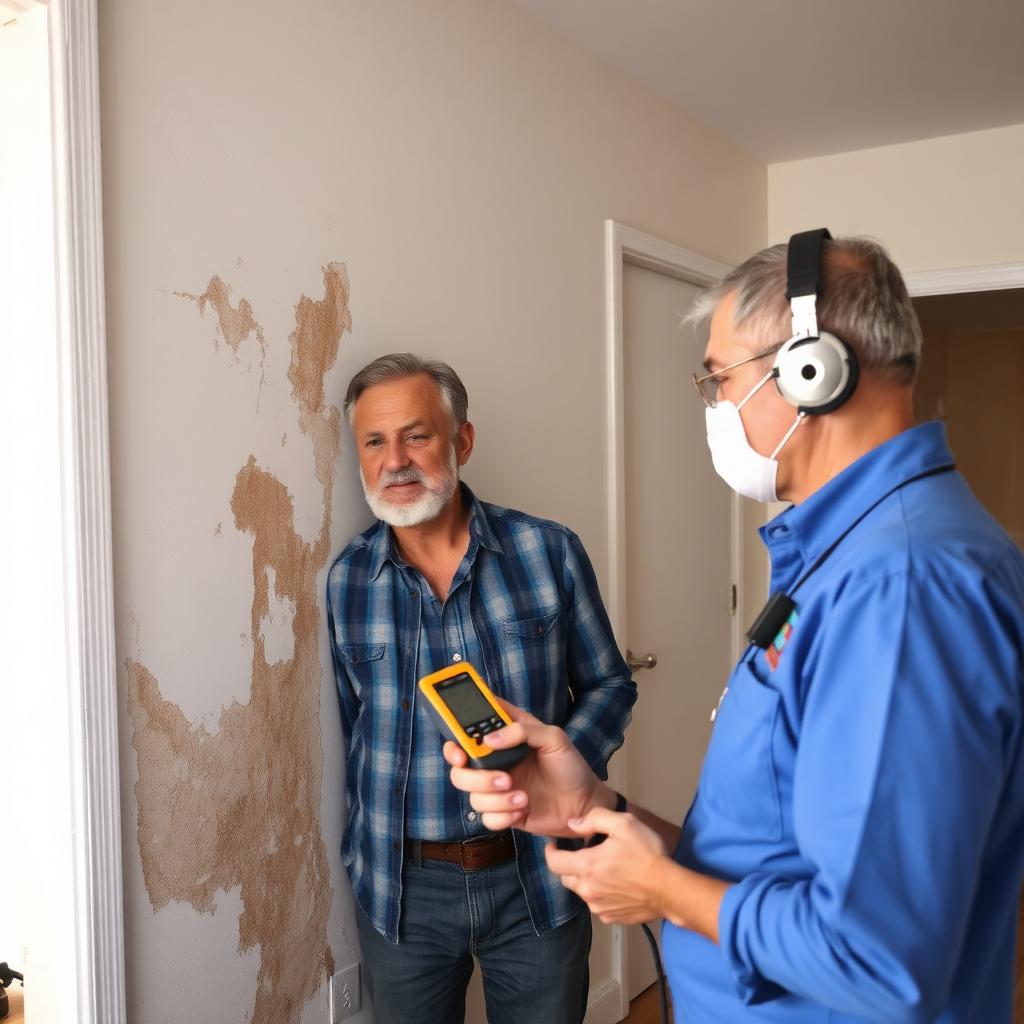
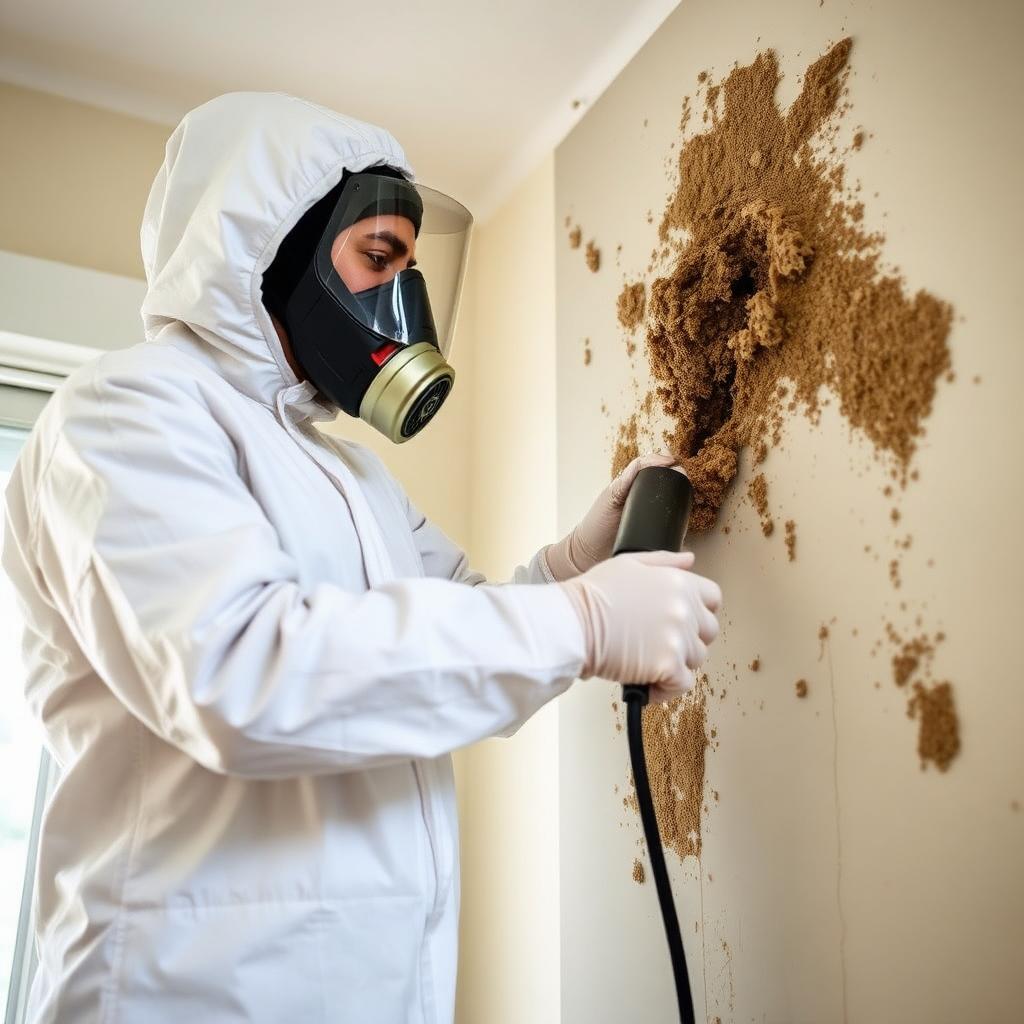
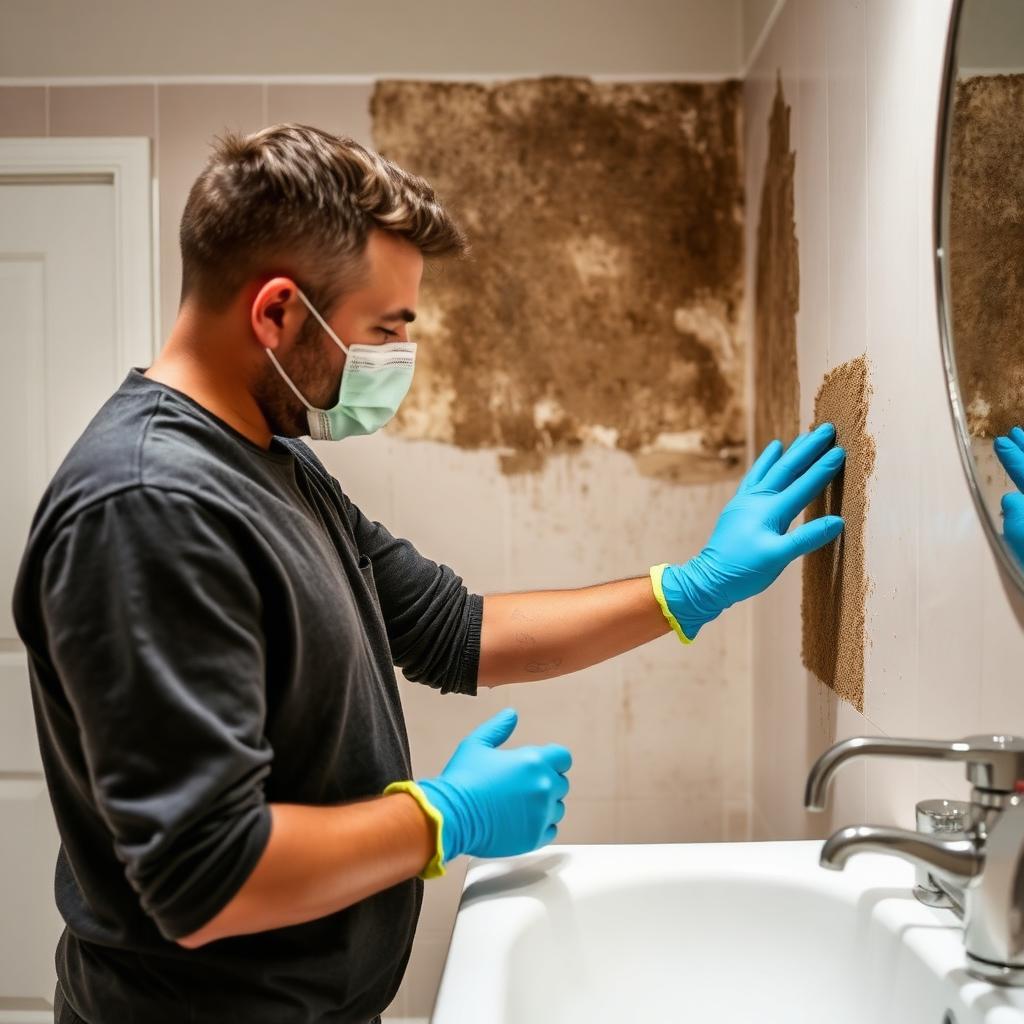
Most homeowners expect mold to be obvious. They picture dark patches on walls or ceilings that are impossible to miss. In reality, some of the most serious mold problems begin where you can't see them.
Hidden mold can grow quietly behind drywall, beneath flooring, inside crawl spaces, under sinks, in attics, and even inside HVAC systems. Because it often develops out of sight, many people don't realize there's a problem until the damage becomes significant.
Ignoring hidden mold doesn't just affect your home. It can also impact your indoor environment, increase repair costs, and make restoration more complicated over time. The good news is that early detection and professional remediation can help stop the problem before it spreads.
Why Hidden Mold Develops
Mold needs three basic conditions to grow: moisture, organic material such as wood, drywall, or insulation, and time.
A small plumbing leak, roof leak, overflowing appliance, or flooding event can create the perfect environment for mold. Even high humidity inside bathrooms, laundry rooms, or basements can allow mold to develop if moisture isn't controlled. Because these areas are often concealed, mold can continue growing for weeks or even months without being noticed.
Hidden Mold Rarely Stays Hidden Forever
One of the biggest misconceptions is that if you can't see mold, it isn't causing problems. Unfortunately, mold continues to spread as long as moisture is present. Over time, a small hidden colony can expand into surrounding materials and affect multiple areas of the home.
What begins as a minor issue behind one wall may eventually spread into insulation, flooring, ceilings, or adjacent rooms, making the remediation process more extensive.
Hidden Mold Can Damage Your Property
One of the first things mold attacks is the materials that make up your home. Over time, hidden mold may damage drywall, wood framing, ceiling materials, flooring, carpet, insulation, cabinets, and baseboards.
As mold continues to grow, these materials may weaken or deteriorate, increasing the cost of repairs. Addressing the issue early often prevents more extensive restoration work later.
It Can Affect Indoor Air Quality
Although hidden mold isn't always visible, mold spores can travel through the air. As air circulates throughout your home, spores may move into living spaces through ventilation systems, open wall cavities, or natural airflow.
Some homeowners first notice the problem because of a persistent musty odor that doesn't go away, even after cleaning. If your home smells damp or earthy without an obvious cause, it's worth scheduling a professional inspection.
Health Concerns May Increase
Exposure to mold affects people differently. Some individuals may experience no noticeable symptoms, while others may be more sensitive. People sometimes report symptoms such as sneezing, nasal congestion, coughing, eye irritation, skin irritation, headaches, and worsening allergy symptoms.
Young children, older adults, and individuals with asthma or other respiratory conditions may be more sensitive to poor indoor air quality. If you're concerned about mold-related health issues, consult a qualified healthcare professional.
Small Problems Often Become Expensive Repairs
One of the biggest reasons to address hidden mold early is cost. A small area of mold discovered during an inspection is generally easier and less expensive to remediate than widespread contamination affecting multiple rooms.
Waiting too long may lead to more extensive demolition, replacement of damaged building materials, longer remediation timelines, and higher restoration costs. Taking action early often saves both time and money.
Hidden Mold Can Return If the Moisture Source Isn't Fixed
Simply cleaning visible mold is rarely enough. Professional mold remediation focuses on identifying and correcting the moisture source, whether it's a plumbing leak, roof damage, poor ventilation, or another issue. Without addressing the underlying cause, mold is likely to return. That's why a complete inspection is an important part of the remediation process.
Common Signs You May Have Hidden Mold
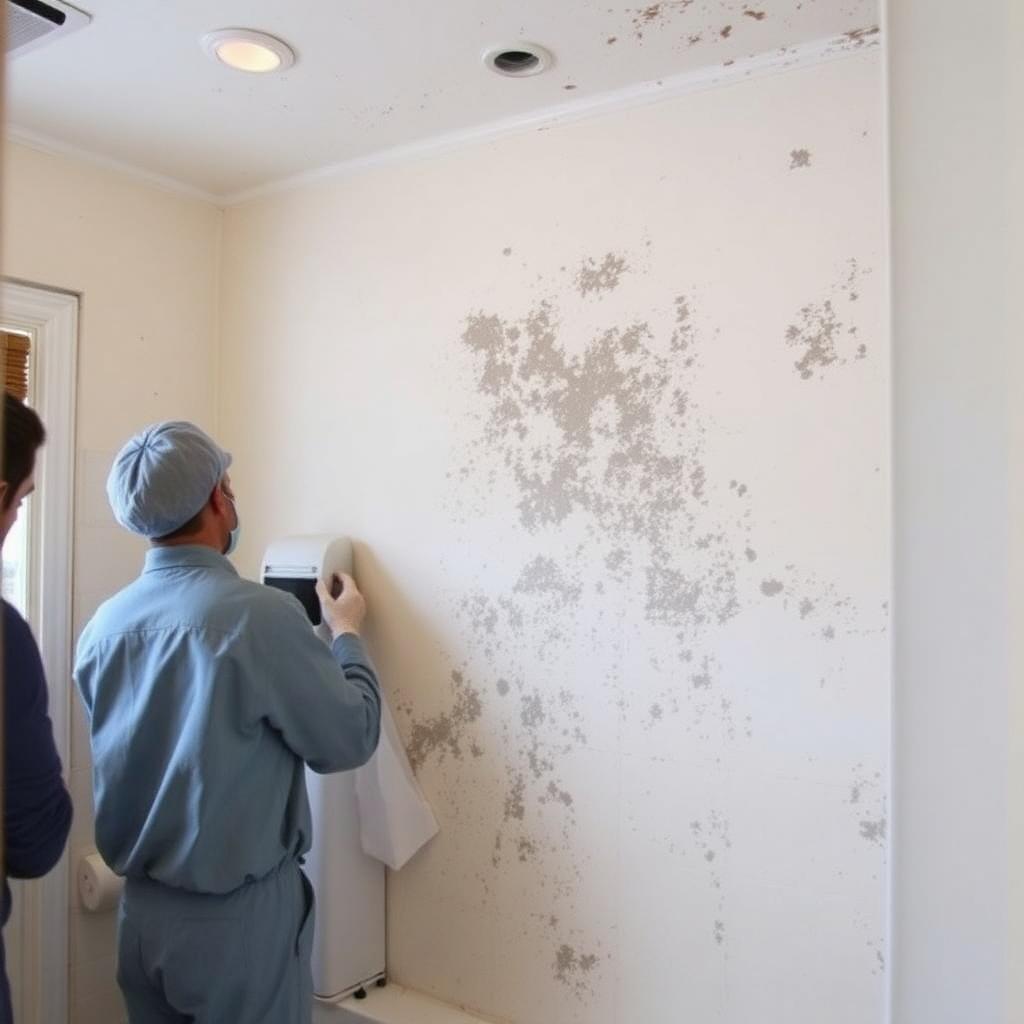
Even if mold isn't visible, your home may show warning signs. Watch for persistent musty odors, water stains on walls or ceilings, peeling paint or bubbling drywall, warped flooring, recent flooding or plumbing leaks, condensation around windows, and unexplained moisture in certain rooms. If you notice one or more of these signs, it's a good idea to schedule a professional mold inspection.
Why Professional Inspections Matter
Hidden mold can be difficult to locate without specialized tools and experience. Professional inspectors may use moisture meters, thermal imaging equipment, and other advanced techniques to identify areas where mold is likely to be growing.
Some companies also use trained mold detection canines, which can help locate hidden mold behind walls, beneath flooring, and in other hard-to-reach areas without unnecessary demolition. Learn more about our canine mold detection service. Early detection allows remediation to begin before the damage becomes more severe.
How to Help Prevent Hidden Mold
Preventing mold starts with controlling moisture. You can reduce the risk by repairing plumbing leaks promptly, addressing roof leaks as soon as possible, using exhaust fans in bathrooms and kitchens, maintaining proper ventilation, keeping indoor humidity at recommended levels, drying wet materials quickly after water damage, and scheduling inspections after flooding or major leaks. Routine maintenance can significantly reduce the chances of hidden mold developing in your home.
Frequently Asked Questions
Can hidden mold grow behind drywall?
Yes. Drywall is one of the most common places for hidden mold to develop when moisture is present.
Does hidden mold always smell?
Not always. While many homeowners notice a musty odor, some hidden mold produces little or no noticeable smell.
Can I remove hidden mold myself?
Because hidden mold often extends beyond what is visible, professional inspection and remediation are usually recommended to identify the full extent of the problem and address the moisture source.
How do professionals find hidden mold?
Professionals may use moisture detection equipment, thermal imaging, visual inspections, and in some cases, trained mold detection dogs to locate hidden mold.
When should I schedule a mold inspection?
Consider scheduling an inspection if you've experienced water damage, notice persistent musty odors, see unexplained water stains, or suspect mold may be hidden behind walls or flooring.
Don't Let Hidden Mold Become a Bigger Problem
Hidden mold rarely goes away on its own. The longer moisture remains, the greater the chance that mold will continue to spread and affect your home. If you suspect hidden mold, taking action early can help protect your property, improve indoor conditions, and reduce the need for more extensive repairs.
At MoldRestorationPros, our experienced team provides thorough mold inspections and professional remediation services designed to identify the source of the problem and restore your home with care. Contact us today to schedule an inspection and gain peace of mind.