Is DIY Mold Removal Safe? What Every Homeowner Should Know
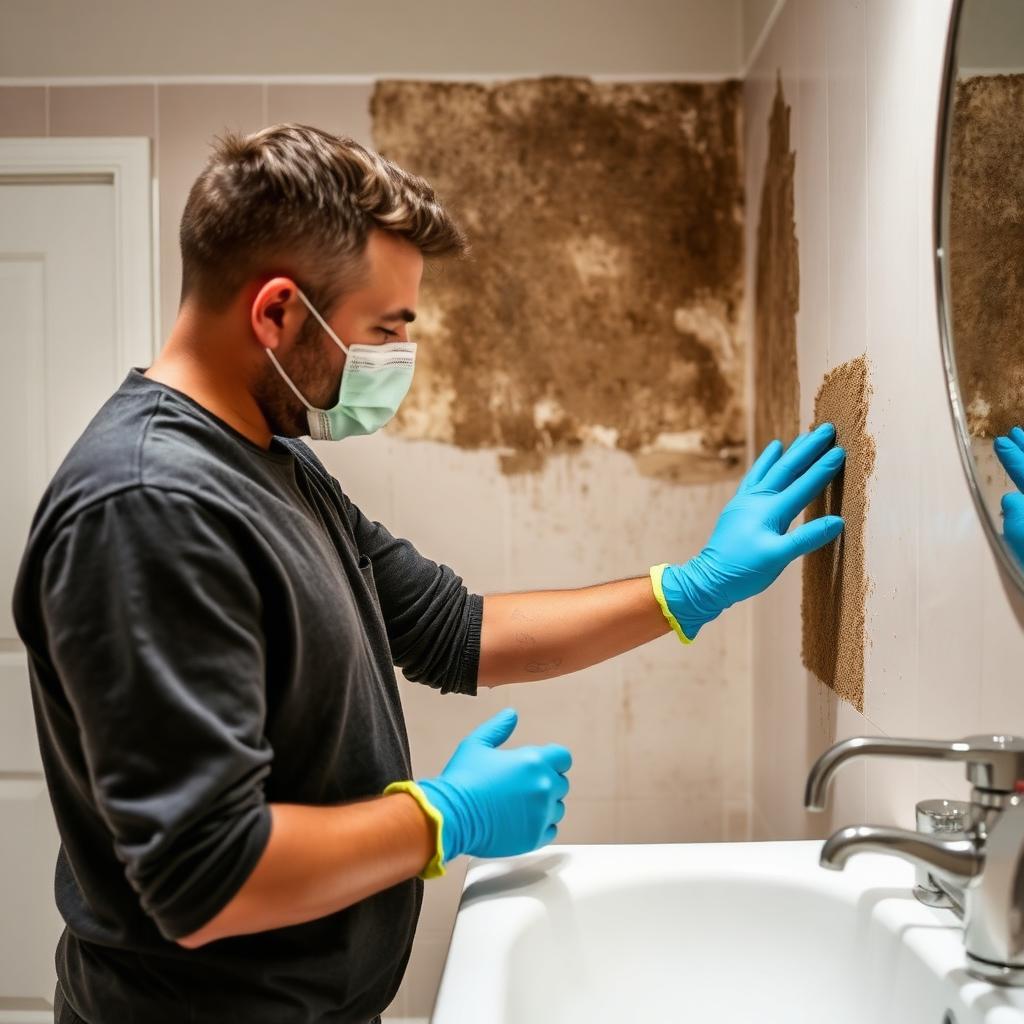
Discovering mold in your home can be unsettling. Whether it's a small patch on a bathroom wall or a musty odor coming from behind the drywall, your first instinct may be to grab a cleaning product and handle it yourself.
While DIY mold removal may seem like a quick and affordable solution, it's important to understand that not every mold problem can or should be handled without professional help. The right approach depends on the size of the affected area, the source of the moisture, and whether the mold is confined to the surface or hidden inside your home's structure.
In this guide, we'll explain when DIY cleanup may be appropriate, the risks involved, and when it's time to call a professional mold remediation company.
Why Mold Grows in the First Place
Mold thrives in damp environments where moisture and organic materials are present. Common causes include plumbing leaks, roof leaks, flooding, poor ventilation, high indoor humidity, and condensation around windows and pipes. Unless the moisture source is corrected, mold can continue to grow even after visible spots are cleaned.
When DIY Mold Cleanup May Be Appropriate
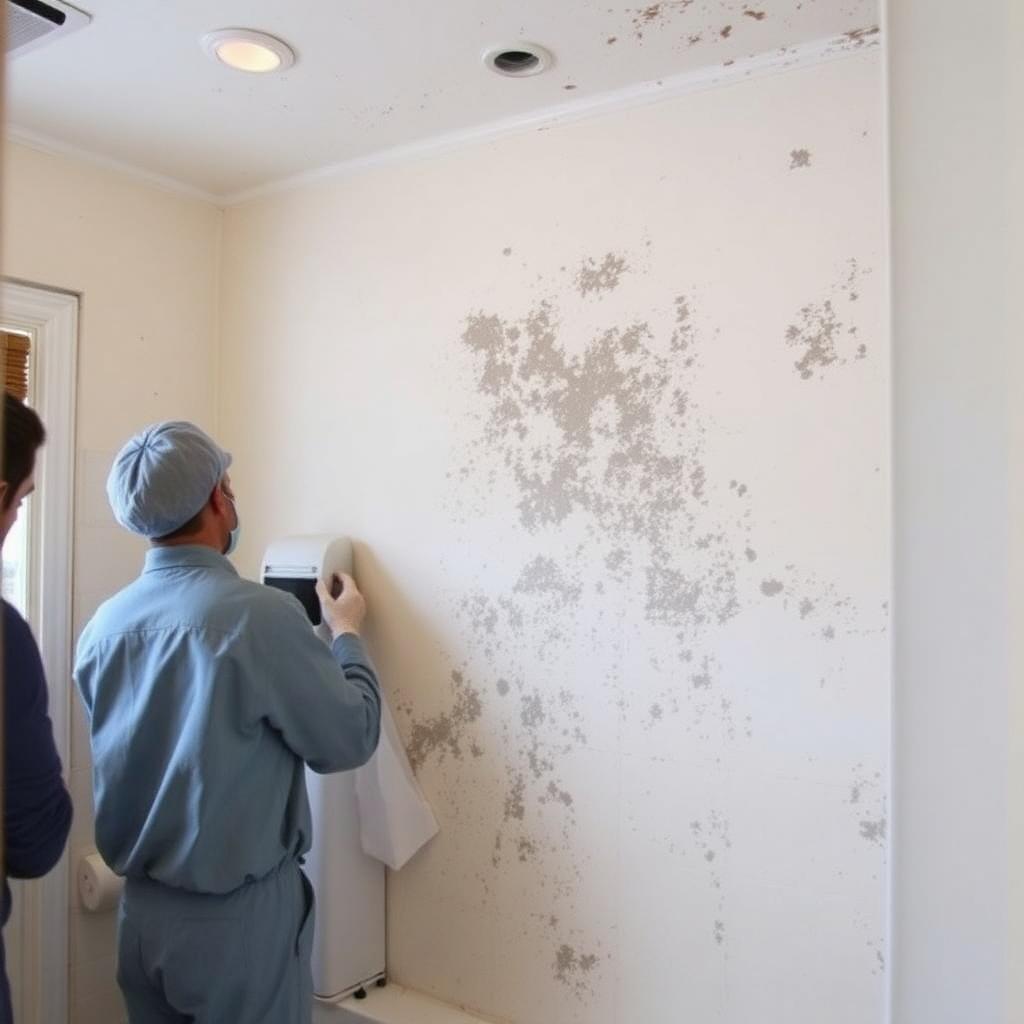
Some small, isolated mold problems can be cleaned safely by homeowners. Examples may include a small amount of mold on bathroom tile or grout, surface mold on non-porous materials such as glass or metal, and minor mildew caused by temporary moisture. Even in these situations, proper protective equipment and cleaning methods are important.
When DIY Mold Removal Is Not Recommended
Many mold problems are more extensive than they first appear. Professional remediation is generally recommended when mold covers a large area, mold returns after repeated cleaning, the source of moisture hasn't been identified, mold is growing behind drywall or beneath flooring, water damage has affected multiple rooms, HVAC systems may be contaminated, or structural materials have been damaged. Attempting to clean these situations without proper equipment can make the problem worse.
The Risks of DIY Mold Removal
Many homeowners are surprised to learn that disturbing mold can release microscopic spores into the air. Without proper containment and air filtration, those spores may spread to other areas of the home.
Potential risks include spreading mold contamination, missing hidden mold growth, failing to address the moisture source, damaging building materials, and increasing future repair costs. Cleaning visible mold alone doesn't always solve the underlying problem.
Why Hidden Mold Is Often Missed
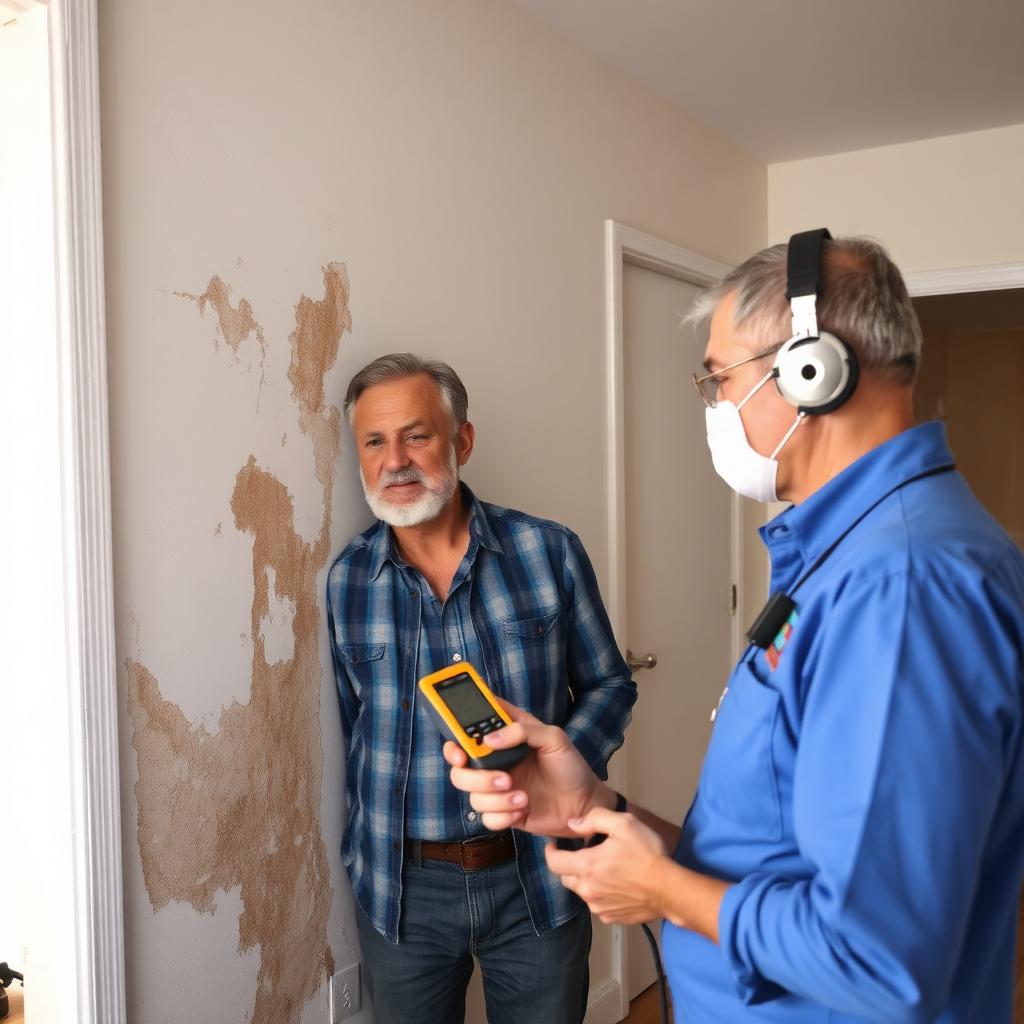
Visible mold is only part of the picture. Mold commonly develops behind drywall, cabinets, flooring, ceiling materials, insulation, crawl spaces, and HVAC systems. Without specialized equipment, hidden mold can remain undetected while continuing to spread. That's why professional inspections are often recommended after significant water damage or persistent moisture issues.
Household Cleaners Aren't Always Enough
Many household cleaning products can remove stains from hard, non-porous surfaces. However, they may not eliminate mold growing inside porous materials such as drywall, wood, carpet, upholstery, and insulation. Professional remediation focuses on removing contaminated materials when necessary and correcting the conditions that allowed mold to grow.
How Professionals Handle Mold Safely
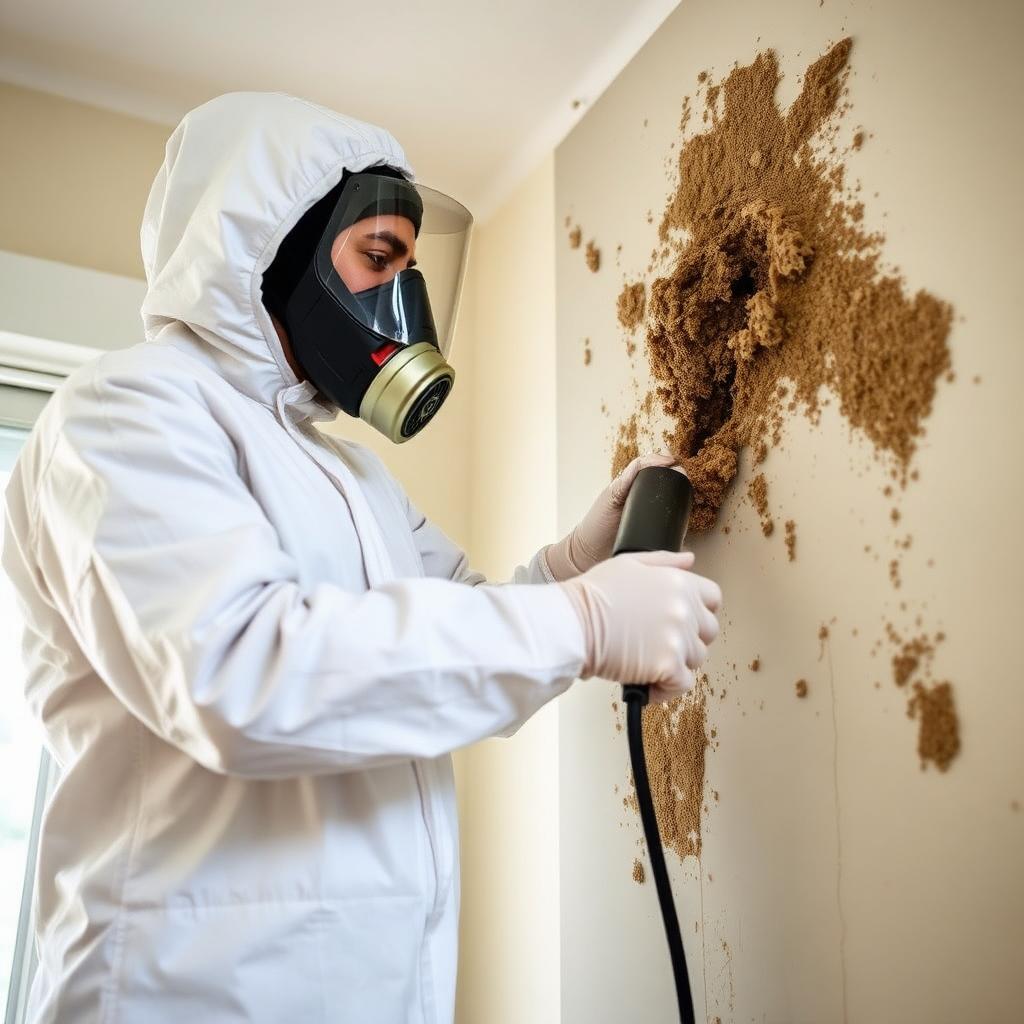
Certified mold remediation specialists follow established procedures designed to protect both the property and its occupants. Depending on the situation, the process may include comprehensive inspection, moisture detection, containment of affected areas, air filtration using specialized equipment, safe removal of contaminated materials, cleaning and sanitizing affected surfaces, drying and moisture control, and a final inspection. The goal is not only to remove existing mold but also to reduce the risk of it returning.
Can DIY Mold Removal Make the Problem Worse?
It can. Scrubbing or disturbing mold without proper containment may release spores into the air, allowing them to settle in other parts of the home. Likewise, painting over mold or using products designed only to cover stains does not eliminate the underlying problem. Addressing moisture is always the first step toward long-term prevention.
How to Reduce the Risk of Mold Growth
Preventing mold is often easier than removing it. Homeowners can help reduce the risk by repairing leaks promptly, drying water-damaged materials as quickly as possible, using exhaust fans in bathrooms and kitchens, keeping indoor humidity at appropriate levels, improving ventilation, and scheduling inspections after flooding or major leaks. Regular maintenance can help identify moisture problems before mold develops.
When Should You Call a Professional?
It's a good idea to schedule a professional inspection if you notice a persistent musty odor, mold continues to return after cleaning, water damage occurred recently, mold appears to be spreading, you suspect hidden mold behind walls or flooring, or you're unsure how extensive the problem is. An experienced professional can determine the extent of the issue and recommend the most appropriate course of action.
Frequently Asked Questions
Can I remove mold myself?
Small amounts of surface mold on non-porous materials may be manageable, but larger or hidden mold problems are best evaluated by professionals.
Is bleach the best way to remove mold?
Bleach may clean some hard, non-porous surfaces, but it is not effective for every mold situation, particularly when mold has penetrated porous materials or the moisture source remains unresolved.
Can mold come back after I clean it?
Yes. If the underlying moisture issue isn't corrected, mold can return even after visible growth has been removed.
How do I know if mold is hidden?
Persistent musty odors, unexplained water stains, recent flooding, or recurring mold growth may indicate hidden mold that requires professional inspection.
Is professional mold remediation worth it?
Professional remediation addresses both the mold and the moisture source, helping reduce the likelihood of future mold growth and additional property damage.
Protect Your Home with the Right Solution
While some minor mold issues may be manageable, larger or hidden mold problems often require professional expertise to ensure they are addressed safely and thoroughly. If you're unsure whether DIY cleanup is enough, it's always better to have your property evaluated by experienced professionals.
At MoldRestorationPros, we provide comprehensive mold inspections and remediation services, advanced detection methods, and professional remediation designed to restore your home while addressing the source of the problem. Contact us today to schedule an inspection and take the first step toward a cleaner, healthier home.