7 Warning Signs of Hidden Mold in Your Home (and What to Do About Them)
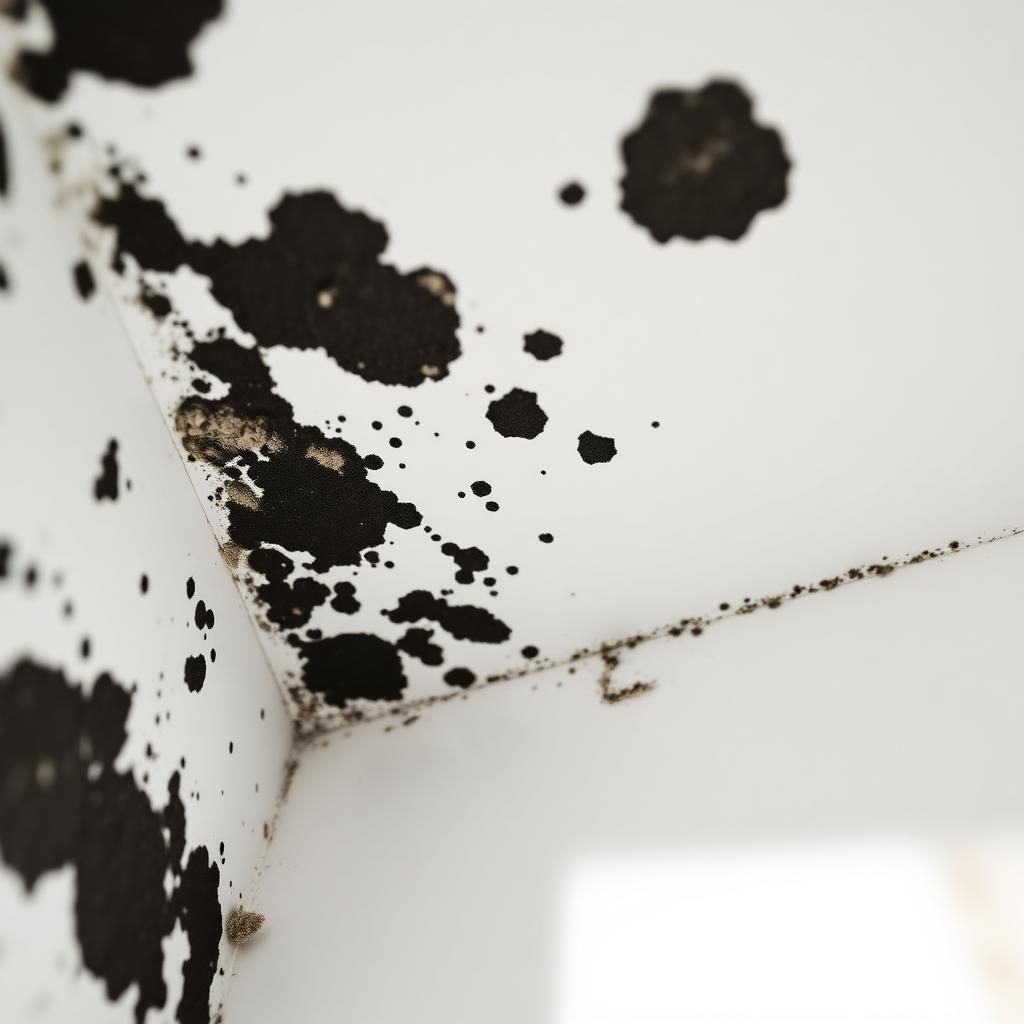
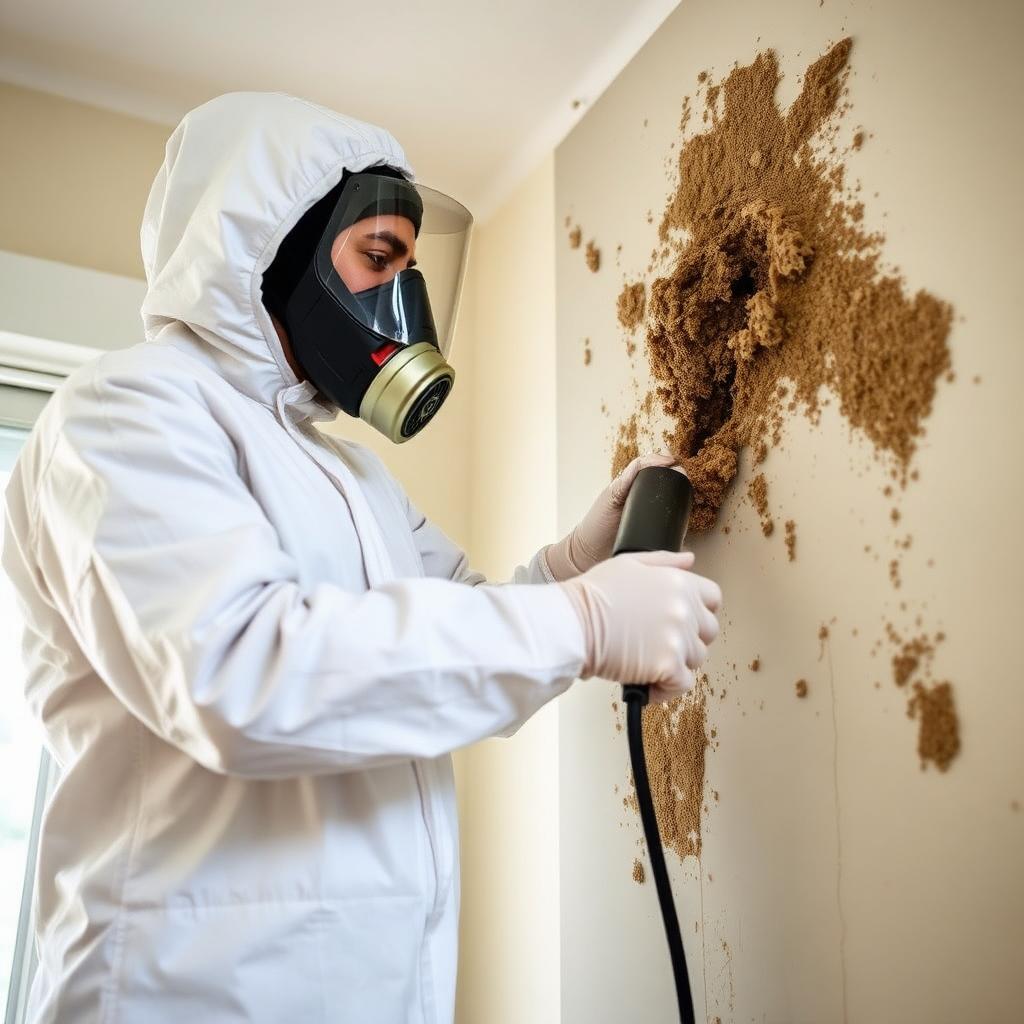
Most homeowners find out they have a mold problem years after it started. The colony has already spread inside walls, HVAC ductwork, and subflooring by the time the first visible spot appears — and that visible spot is usually a small fraction of what is actually there. The good news is that mold announces itself in seven distinct ways long before it becomes visible. Here is what to watch for and exactly what to do when you notice each sign.
1. A persistent musty or earthy smell
Active mold colonies release microbial volatile organic compounds (mVOCs) as they grow. To the human nose, mVOCs read as a distinctive musty, earthy, wet-basement smell — even when no visible mold is present. If a specific room, closet, or HVAC vent has a musty odor that returns after cleaning, active mold is almost certainly hiding somewhere in that airspace.
2. Unexplained allergy or respiratory symptoms at home
Persistent congestion, sinus pressure, coughing, wheezing, or skin irritation that improve when you leave the house and return within hours of coming home is one of the strongest indicators of indoor mold exposure. Children and pets often show symptoms first because they spend more time near floor level, where spore concentrations are typically highest.
3. Water stains on ceilings, walls, or trim
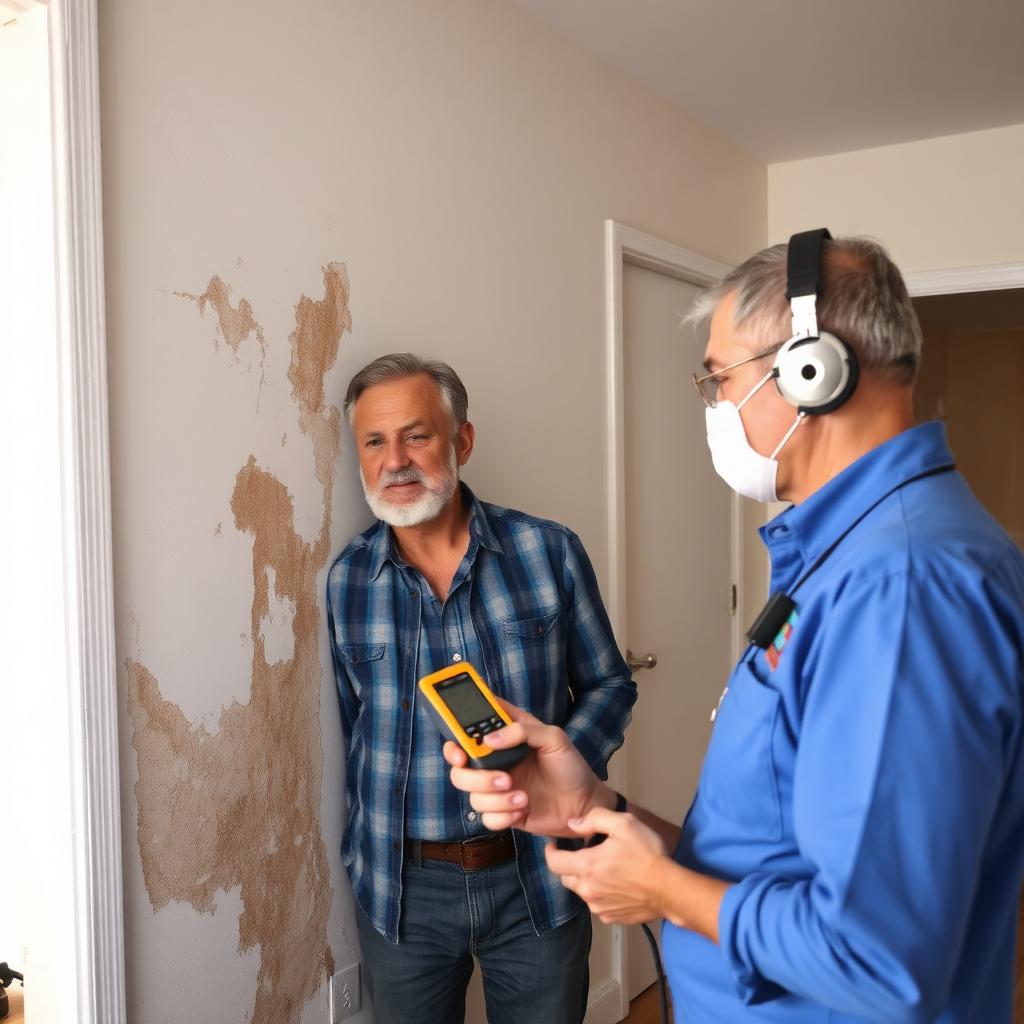
Every water stain represents a moisture event, and most moisture events long enough to leave a stain are long enough for mold to have started colonizing the drywall paper behind the stain. Even if the stain looks old and dry, the cellulose underneath may be actively supporting growth.
4. Peeling paint, bubbling wallpaper, or warped trim
These are all signs of moisture within the wall assembly. Paint fails from behind when vapor pressure pushes moisture outward from wet framing. Warped baseboard trim indicates that the wall cavity behind it has been repeatedly wet.
5. Visible discoloration in unusual places
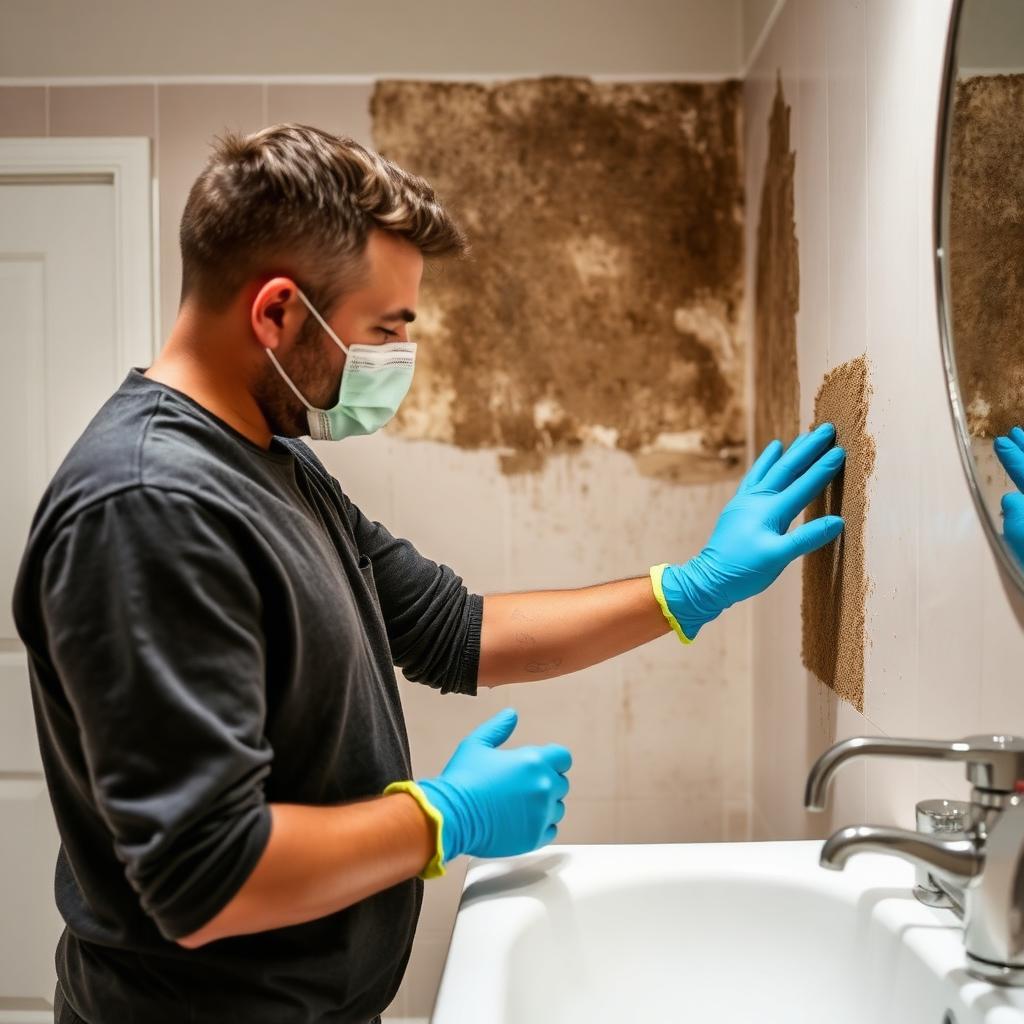
Small black, green, or gray patches at the intersection of walls and ceilings, along baseboards, around window frames, or in the corners of closets are early-stage mold — even if they are barely large enough to notice. These are the tips of colonies whose main mass is inside the wall.
6. A history of prior water damage
If your home has ever had a burst pipe, appliance leak, roof leak, or basement flood — even one that was professionally cleaned up — there is a meaningful chance some material was not dried to below-baseline moisture content before it was closed up. That material is a candidate for hidden colonization.
7. High humidity or condensation on windows
Indoor humidity above 60% is a general risk factor for mold growth. Persistent window condensation, sweating pipes, or a basement that feels perpetually damp indicates a humidity problem that will eventually feed a colony somewhere.
What to do next
If you notice any of these signs, the right next step depends on how many boxes you checked. A single sign in an otherwise dry home is worth watching. Two or more signs — particularly a musty smell combined with unexplained symptoms — is worth a professional inspection. A canine mold detection sweep can non-invasively confirm whether hidden mold is present before you spend money on exploratory demolition. If mold is confirmed, our certified mold remediation service resolves the problem at its source and includes independent post-remediation clearance testing.