The 12-Point Home Water Damage Prevention Checklist for 2026
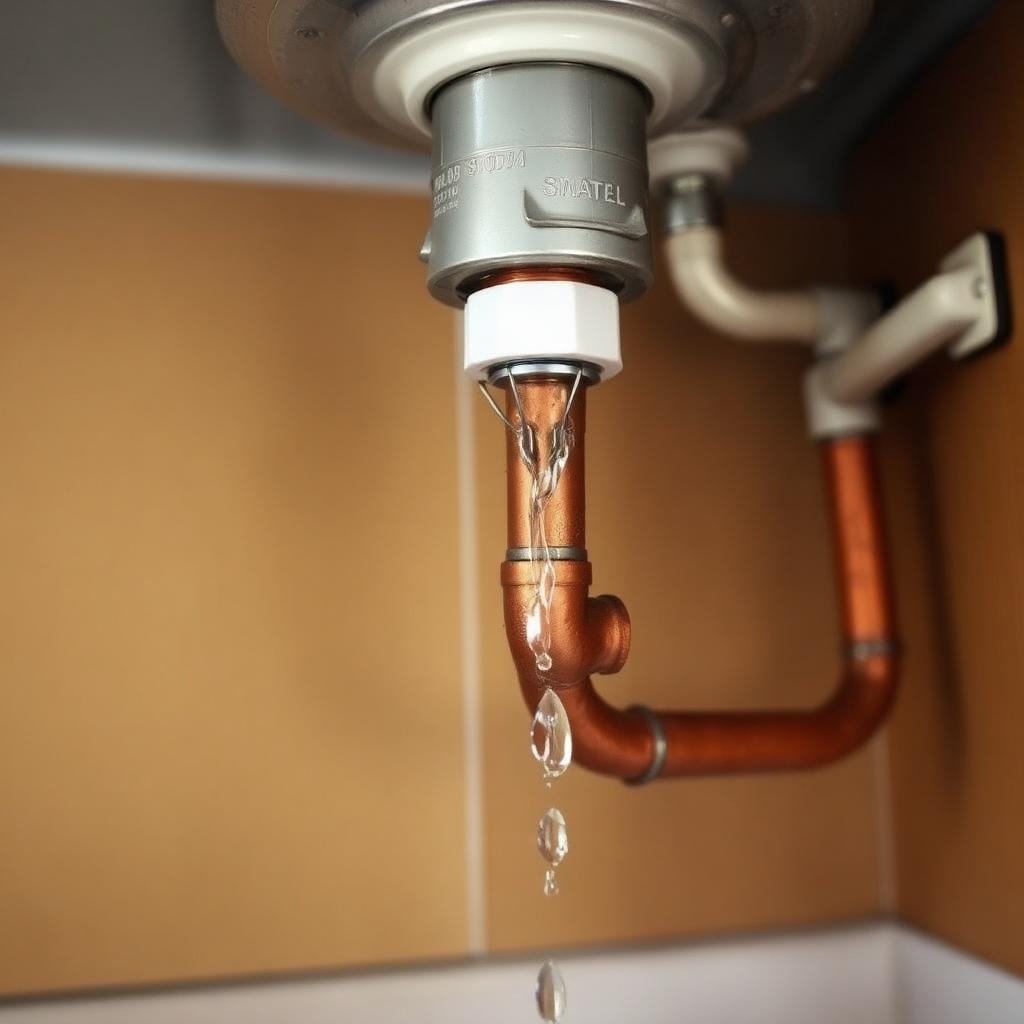
The average water damage claim in the United States now runs over $12,000, and the average claim frequency is roughly 1 in 60 homes per year. Nearly all of it is preventable with an hour or two of proactive maintenance. Here is the exact checklist our project managers use in their own homes — the twelve items we know from experience are responsible for the vast majority of avoidable water losses.
1. Replace flexible supply lines every 5 years
The braided stainless-steel lines behind toilets, dishwashers, ice makers, and washing machines fail without warning after 8–10 years. Replace them proactively on a 5-year cycle. This one change alone prevents the single most common category of residential water loss.
2. Install an automatic main shut-off valve
Whole-home leak detection systems (like Flo by Moen, Phyn, or Streamlabs) monitor for anomalous flow patterns and automatically shut off water at the main. Cost around $500–$1,000 installed. Insurance carriers frequently discount premiums when one is present.
3. Inspect the roof twice a year
Every spring and fall, walk the perimeter and look for lifted shingles, damaged flashing around chimneys and skylights, and debris in valleys. Binoculars work from ground level. Small roof failures cause slow leaks that lead to attic mold long before any interior stain appears.
4. Clean gutters and extend downspouts
Clogged gutters overflow against the fascia and behind siding. Downspouts that dump water within 3 feet of the foundation cause basement leaks and — over years — foundation settlement. Extend downspouts at least 6 feet from the house.
5. Test the sump pump annually
Pour a bucket of water into the sump pit and verify the pump activates and shuts off correctly. Consider a battery backup or water-powered backup pump — most residential sump failures happen during power outages, which are exactly when you need the pump most.
6. Inspect and flush the water heater yearly
Sediment buildup in a tank water heater causes premature failure and, eventually, a bottom-out leak that can release the entire tank into your utility room. Drain a few gallons annually and replace the anode rod every 5 years. Better yet, install a leak-detection pan with an auto-shutoff.
7. Check appliance connections quarterly
Look behind the washing machine, dishwasher, refrigerator, and under sinks for signs of moisture. Small drips catch problems before they become claims.
8. Maintain caulk around tubs, showers, and sinks
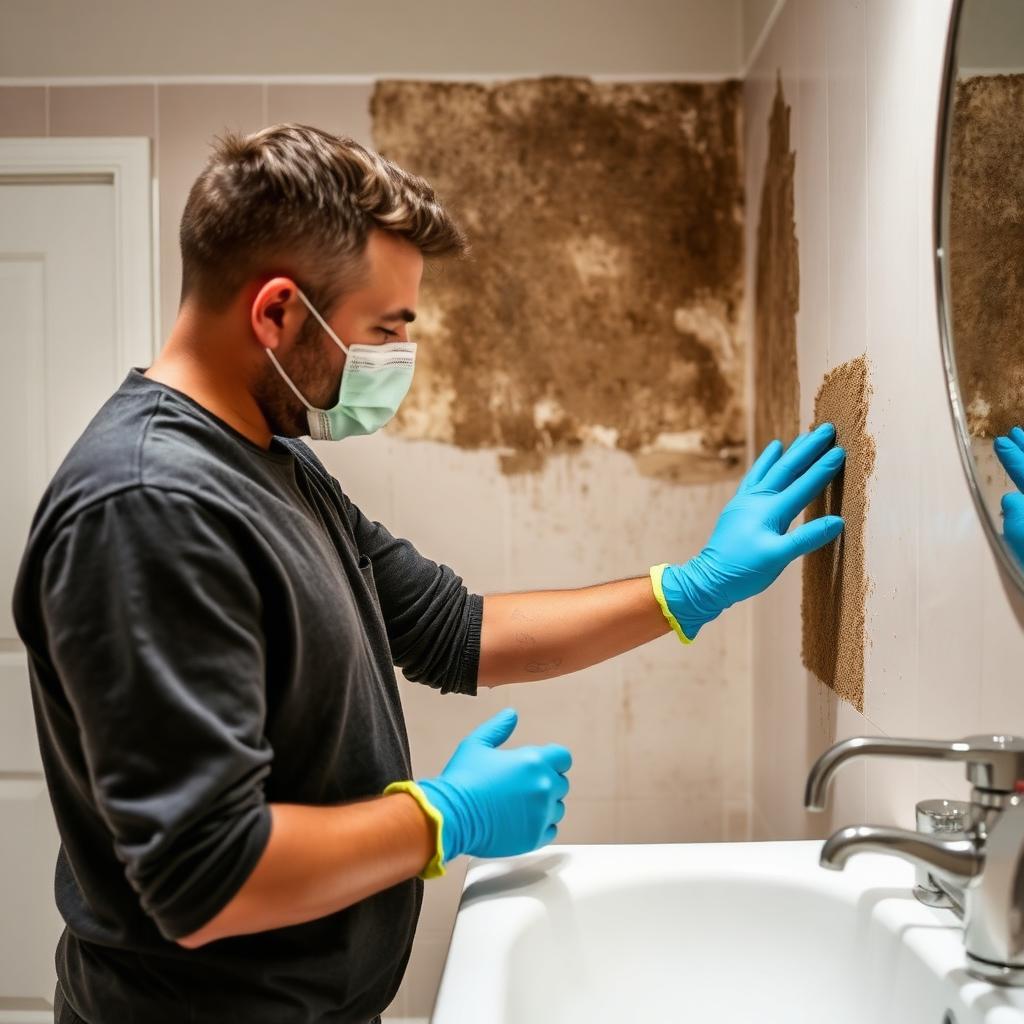
Failed caulk lets water into the wall cavity behind tile — a scenario that produces catastrophic hidden mold and rot before any visible sign appears. Re-caulk every 2–3 years and immediately if grout or caulk shows cracks.
9. Keep the HVAC condensate line clear
Clogged AC condensate drains overflow into ceilings and closets during cooling season, causing the third most common category of hidden mold. Pour a cup of vinegar down the drain line quarterly.
10. Insulate exposed pipes before winter
Any pipe in an unheated space — attics, crawl spaces, exterior walls, garages — needs foam pipe insulation or heat tape. Frozen pipe failures during cold snaps are catastrophic and almost entirely preventable.
11. Monitor indoor humidity
Keep indoor humidity between 30% and 50%. A $20 hygrometer tells you if you have a humidity problem. Persistently high humidity is a leading indicator of hidden moisture somewhere in the home.
12. Know where your main shut-off is (and that it works)
Every adult in the house should know the location of the main water shut-off and be able to close it in under 30 seconds. Test it every 6 months — old gate valves fail to close after years of disuse, and discovering that during an emergency is a nightmare.
When prevention fails
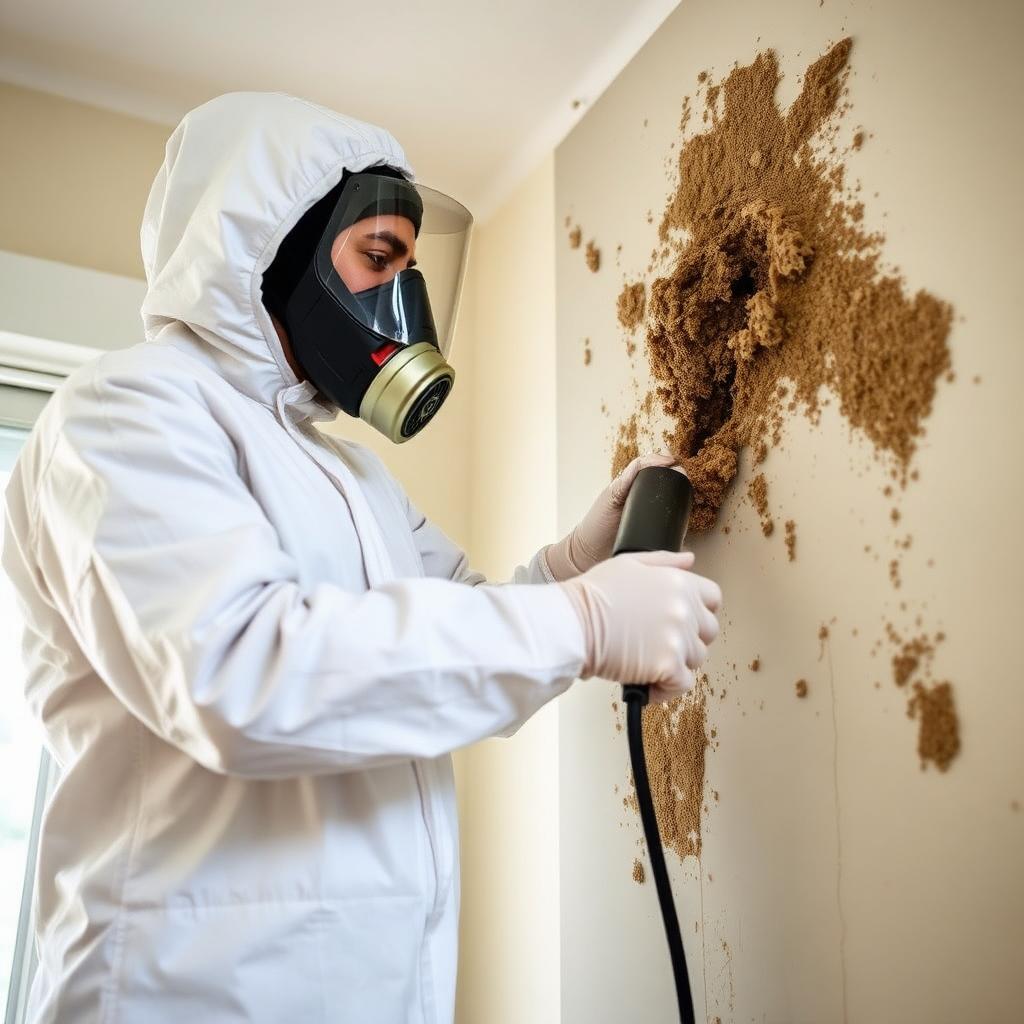
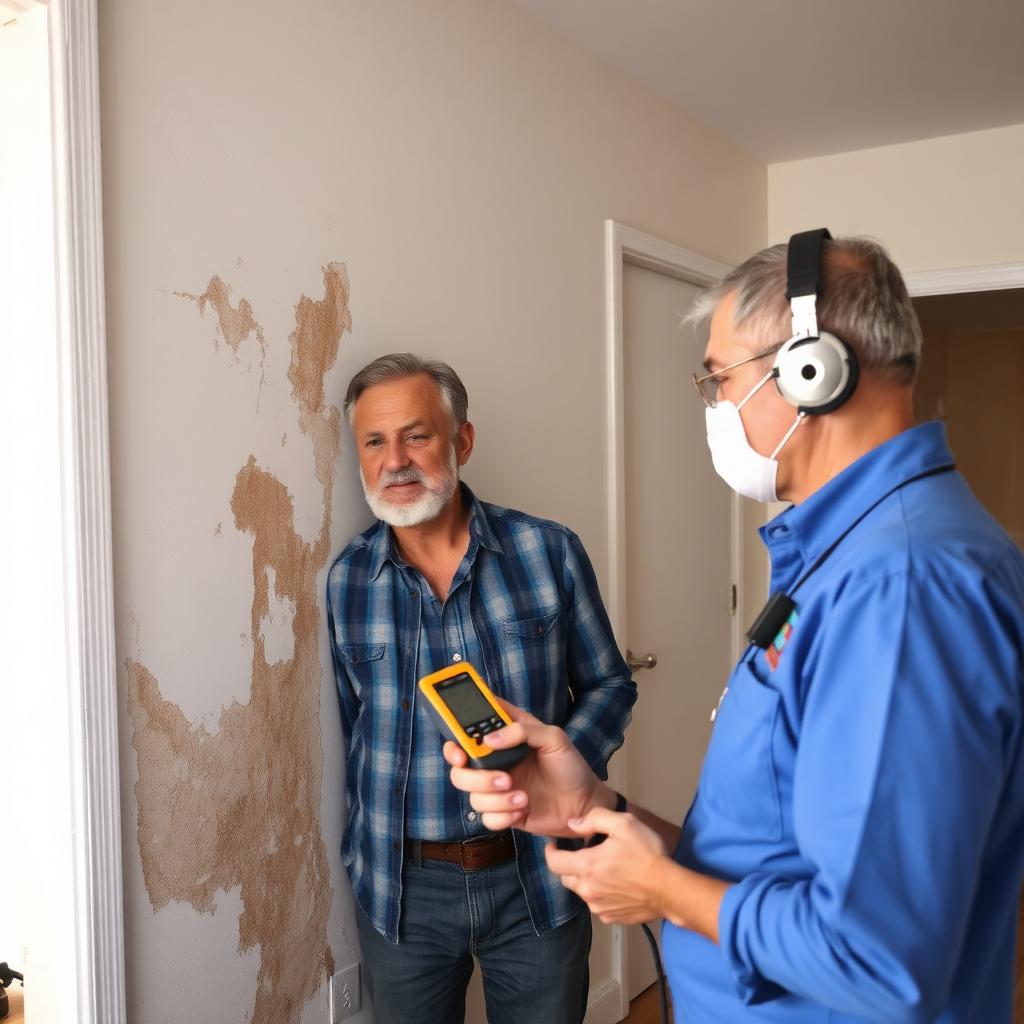
Even the best-maintained home can have a water emergency. When it happens, speed matters more than anything else — mold begins to colonize wet cellulose within 24–48 hours. Our 24/7 water damage response arrives within an hour with extraction and drying equipment, and our canine mold detection can verify no hidden colonies were left behind after drying.